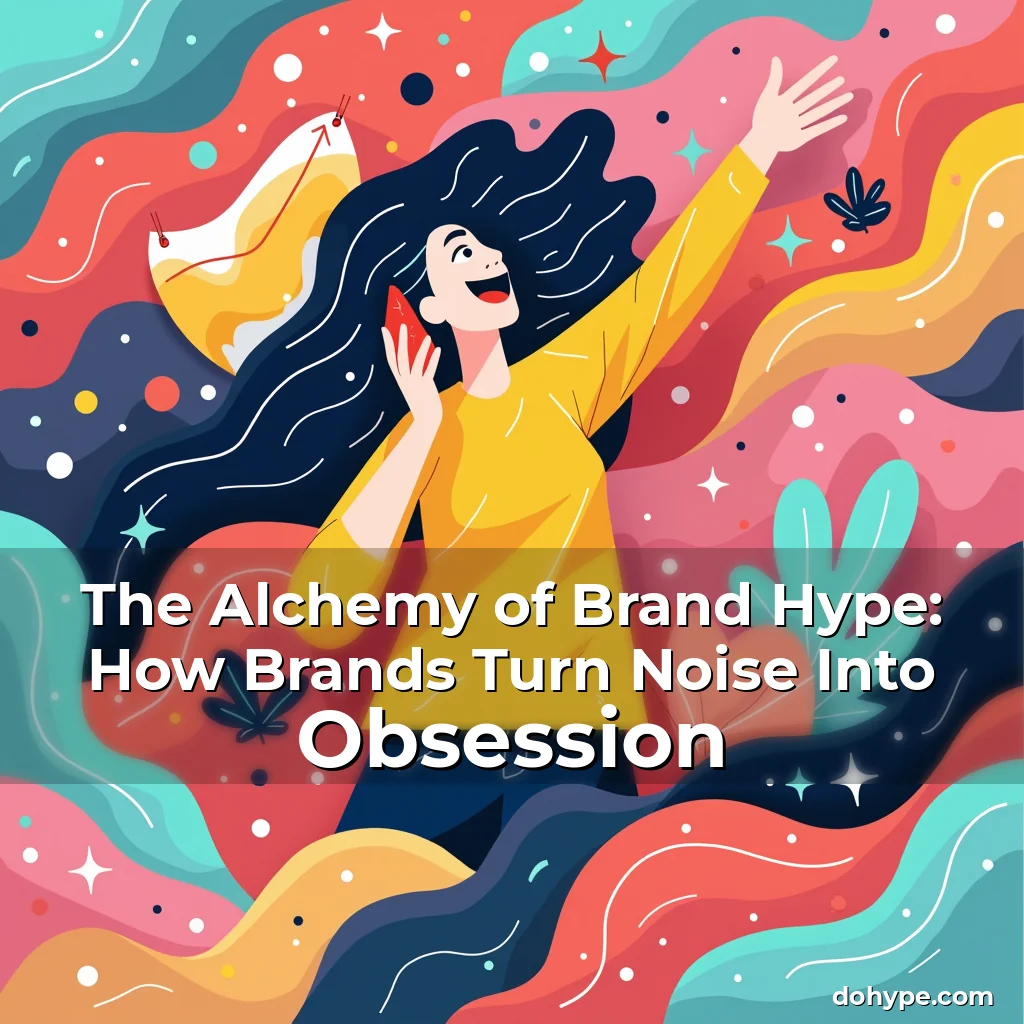
The Alchemy of Brand Hype: How Brands Turn Noise Into Obsession
In an age where attention is the ultimate currency, brands have mastered the art of crafting hype that feels less like marketing and more like a cultural phenomenon. From limited-edition sneakers selling out within minutes to viral campaigns that redefine consumer behavior, brand hype has become both a science and an art form.
This isn’t merely about product quality—it’s about creating an emotional connection so strong that customers feel they’re part of something bigger than themselves. Whether through exclusivity, storytelling, or strategic scarcity, modern branding thrives on generating buzz that transcends traditional advertising.
The Science Behind the Sizzle: Understanding Why Hype Works
At its core, brand hype leverages psychological triggers that tap into our primal instincts for belonging and status. When a product becomes associated with a movement or identity, consumers are driven by more than utility—they crave inclusion in a shared experience.
Neuroscientific studies reveal that anticipation activates reward centers in the brain similar to those triggered by actual consumption. This explains why waiting lists and countdowns create such powerful engagement—our brains literally get excited before we even receive the product.
Scarcity plays a crucial role in shaping perception value. Limited availability creates urgency, making products seem more desirable simply because there aren’t enough to go around. Luxury brands have long understood this principle, using exclusivity as their primary marketing strategy.
Social proof amplifies these effects exponentially. Seeing others covet a product increases its perceived worth dramatically, especially when combined with influencer endorsements or celebrity affiliations.
- Emotional resonance: Effective hype connects deeply with target audiences’ values and aspirations rather than just showcasing features.
- Storytelling: Brands craft narratives that position products not just as items but as symbols of lifestyles and identities.
Hype in Action: Case Studies That Redefined Marketing
Taking Apple’s iPhone launch events as a case study reveals how controlled secrecy can generate unprecedented levels of excitement. By carefully managing information leaks and building suspense over months, Apple transforms each new release into a global event.
The sneaker industry offers another fascinating example. Nike’s Air Jordan line began as basketball footwear but evolved into a cultural icon through strategic collaborations and limited releases. Today, these shoes are collectibles that transcend sports entirely.
Beauty brands like Glossier have built entire empires on user-generated content and community-driven hype. Their approach prioritizes authentic customer experiences over polished advertisements, fostering loyalty through real connections rather than manufactured personas.
The Power of Community Building
Glossier’s success demonstrates that genuine communities don’t need expensive ad campaigns. Their online forums and social media interactions create organic word-of-mouth promotion that rivals any paid advertisement. In fact, 86% of their sales come from repeat customers who became fans first.
This model challenges traditional notions of brand-building by proving that authenticity often trumps perfection. When companies prioritize listening to their audience over dictating trends, they cultivate deeper relationships that translate into lasting loyalty.
Strategies for Crafting Irresistible Brand Hype
Crafting effective brand hype requires understanding your audience at a fundamental level. What drives them? What frustrates them? What makes them feel seen and valued? These questions guide every aspect of your campaign development.
A well-planned rollout schedule keeps momentum going without overwhelming followers. Strategic drip-feed announcements build intrigue while maintaining control over narrative flow. Think of it as pacing a story—you want tension but also resolution.
Leveraging influencers strategically goes beyond simple sponsorships. True ambassadorship involves aligning with individuals whose personal brands resonate authentically with yours. It’s about finding partners who genuinely believe in what you’re doing.
Interactive elements like polls, contests, and AR filters turn passive observers into active participants. Engagement metrics show that users interacting with branded content are up to three times more likely to make purchases compared to non-interactors.
Measuring Success: Beyond Sales Numbers
While revenue figures provide concrete results, they only tell part of the story. Measuring brand awareness through sentiment analysis reveals whether perceptions are shifting positively. Tools like Google Trends help track changes in public interest over time.
Customer lifetime value calculations offer insight into long-term profitability. A loyal customer base may yield lower immediate returns but generates significantly higher overall profits due to reduced acquisition costs and increased retention rates.
Engagement analytics measure how effectively your messaging resonates emotionally. High shares, comments, and saves indicate strong connections being formed between your brand and its audience members.
When Hype Turns Toxic: Navigating Pitfalls
Overhyping risks alienating potential customers who perceive excessive promotion as insincere. There’s a fine balance between generating enthusiasm and coming across as manipulative or opportunistic.
Failing to deliver on promises erodes trust faster than any amount of positive press could rebuild it. Consistency between expectations set during the hype phase and actual product delivery determines whether excitement translates into satisfaction or disappointment.
Ignoring negative feedback can lead to reputational damage that takes years to repair. Proactive management of criticism shows maturity and commitment to improvement rather than defensiveness or avoidance.
Ethical Considerations in Hype Culture
As brands push boundaries in pursuit of virality, ethical dilemmas arise regarding truthfulness versus creativity. While exaggeration might boost short-term visibility, misleading claims risk legal consequences and long-term credibility loss.
Environmental responsibility shouldn’t take a backseat to marketing strategies. Greenwashing tactics—where companies falsely claim eco-friendliness—are increasingly scrutinized by conscious consumers demanding transparency.
Diversity and inclusivity initiatives require more than performative gestures; they demand structural change that reflects genuine commitment rather than temporary PR stunts.
The Future of Brand Hype: Innovations On the Horizon
Emerging technologies promise to reshape how brands engage with audiences. Virtual reality allows immersive brand experiences previously unimaginable, transforming passive viewers into interactive participants.
Artificial intelligence enables hyper-personalization at scale, tailoring messages based on individual preferences and behaviors. This level of customization enhances relevance while reducing wasted impressions.
NFTs represent a paradigm shift in ownership models, offering digital assets that combine scarcity principles with blockchain technology. Early adopters are already exploring creative applications beyond mere collectibility.
Conclusion
Brand hype is far more complex than superficial excitement—it represents a calculated fusion of psychology, sociology, and technological innovation working together toward common goals. Done right, it builds enduring relationships grounded in mutual respect and shared values.
To harness this power responsibly means embracing both opportunity and accountability. As we move forward, successful brands will continue redefining what it means to connect meaningfully with today’s discerning consumers.
“`
“`html
The Alchemy of Brand Hype: How Brands Turn Noise Into Obsession
In an age where attention is the ultimate currency, brands have mastered the art of crafting hype that feels less like marketing and more like a cultural phenomenon. From limited-edition sneakers selling out within minutes to viral campaigns that redefine consumer behavior, brand hype has become both a science and an art form.
This isn’t merely about product quality—it’s about creating an emotional connection so strong that customers feel they’re part of something bigger than themselves. Whether through exclusivity, storytelling, or strategic scarcity, modern branding thrives on generating buzz that transcends traditional advertising.
The Science Behind the Sizzle: Understanding Why Hype Works
At its core, brand hype leverages psychological triggers that tap into our primal instincts for belonging and status. When a product becomes associated with a movement or identity, consumers are driven by more than utility—they crave inclusion in a shared experience.
Neuroscientific studies reveal that anticipation activates reward centers in the brain similar to those triggered by actual consumption. This explains why waiting lists and countdowns create such powerful engagement—our brains literally get excited before we even receive the product.
Scarcity plays a crucial role in shaping perception value. Limited availability creates urgency, making products seem more desirable simply because there aren’t enough to go around. Luxury brands have long understood this principle, using exclusivity as their primary marketing strategy.
Social proof amplifies these effects exponentially. Seeing others covet a product increases its perceived worth dramatically, especially when combined with influencer endorsements or celebrity affiliations.
- Emotional resonance: Effective hype connects deeply with target audiences’ values and aspirations rather than just showcasing features.
- Storytelling: Brands craft narratives that position products not just as items but as symbols of lifestyles and identities.
Hype in Action: Case Studies That Redefined Marketing
Taking Apple’s iPhone launch events as a case study reveals how controlled secrecy can generate unprecedented levels of excitement. By carefully managing information leaks and building suspense over months, Apple transforms each new release into a global event.
The sneaker industry offers another fascinating example. Nike’s Air Jordan line began as basketball footwear but evolved into a cultural icon through strategic collaborations and limited releases. Today, these shoes are collectibles that transcend sports entirely.
Beauty brands like Glossier have built entire empires on user-generated content and community-driven hype. Their approach prioritizes authentic customer experiences over polished advertisements, fostering loyalty through real connections rather than manufactured personas.
The Power of Community Building
Glossier’s success demonstrates that genuine communities don’t need expensive ad campaigns. Their online forums and social media interactions create organic word-of-mouth promotion that rivals any paid advertisement. In fact, 86% of their sales come from repeat customers who became fans first.
This model challenges traditional notions of brand-building by proving that authenticity often trumps perfection. When companies prioritize listening to their audience over dictating trends, they cultivate deeper relationships that translate into lasting loyalty.
Strategies for Crafting Irresistible Brand Hype
Crafting effective brand hype requires understanding your audience at a fundamental level. What drives them? What frustrates them? What makes them feel seen and valued? These questions guide every aspect of your campaign development.
A well-planned rollout schedule keeps momentum going without overwhelming followers. Strategic drip-feed announcements build intrigue while maintaining control over narrative flow. Think of it as pacing a story—you want tension but also resolution.
Leveraging influencers strategically goes beyond simple sponsorships. True ambassadorship involves aligning with individuals whose personal brands resonate authentically with yours. It’s about finding partners who genuinely believe in what you’re doing.
Interactive elements like polls, contests, and AR filters turn passive observers into active participants. Engagement metrics show that users interacting with branded content are up to three times more likely to make purchases compared to non-interactors.
Measuring Success: Beyond Sales Numbers
While revenue figures provide concrete results, they only tell part of the story. Measuring brand awareness through sentiment analysis reveals whether perceptions are shifting positively. Tools like Google Trends help track changes in public interest over time.
Customer lifetime value calculations offer insight into long-term profitability. A loyal customer base may yield lower immediate returns but generates significantly higher overall profits due to reduced acquisition costs and increased retention rates.
Engagement analytics measure how effectively your messaging resonates emotionally. High shares, comments, and saves indicate strong connections being formed between your brand and its audience members.
When Hype Turns Toxic: Navigating Pitfalls
Overhyping risks alienating potential customers who perceive excessive promotion as insincere. There’s a fine balance between generating enthusiasm and coming across as manipulative or opportunistic.
Failing to deliver on promises erodes trust faster than any amount of positive press could rebuild it. Consistency between expectations set during the hype phase and actual product delivery determines whether excitement translates into satisfaction or disappointment.
Ignoring negative feedback can lead to reputational damage that takes years to repair. Proactive management of criticism shows maturity and commitment to improvement rather than defensiveness or avoidance.
Ethical Considerations in Hype Culture
As brands push boundaries in pursuit of virality, ethical dilemmas arise regarding truthfulness versus creativity. While exaggeration might boost short-term visibility, misleading claims risk legal consequences and long-term credibility loss.
Environmental responsibility shouldn’t take a backseat to marketing strategies. Greenwashing tactics—where companies falsely claim eco-friendliness—are increasingly scrutinized by conscious consumers demanding transparency.
Diversity and inclusivity initiatives require more than performative gestures; they demand structural change that reflects genuine commitment rather than temporary PR stunts.
The Future of Brand Hype: Innovations On the Horizon
Emerging technologies promise to reshape how brands engage with audiences. Virtual reality allows immersive brand experiences previously unimaginable, transforming passive viewers into interactive participants.
Artificial intelligence enables hyper-personalization at scale, tailoring messages based on individual preferences and behaviors. This level of customization enhances relevance while reducing wasted impressions.
NFTs represent a paradigm shift in ownership models, offering digital assets that combine scarcity principles with blockchain technology. Early adopters are already exploring creative applications beyond mere collectibility.
Conclusion
Brand hype is far more complex than superficial excitement—it represents a calculated fusion of psychology, sociology, and technological innovation working together toward common goals. Done right, it builds enduring relationships grounded in mutual respect and shared values.
To harness this power responsibly means embracing both opportunity and accountability. As we move forward, successful brands will continue redefining what it means to connect meaningfully with today’s discerning consumers.
“`