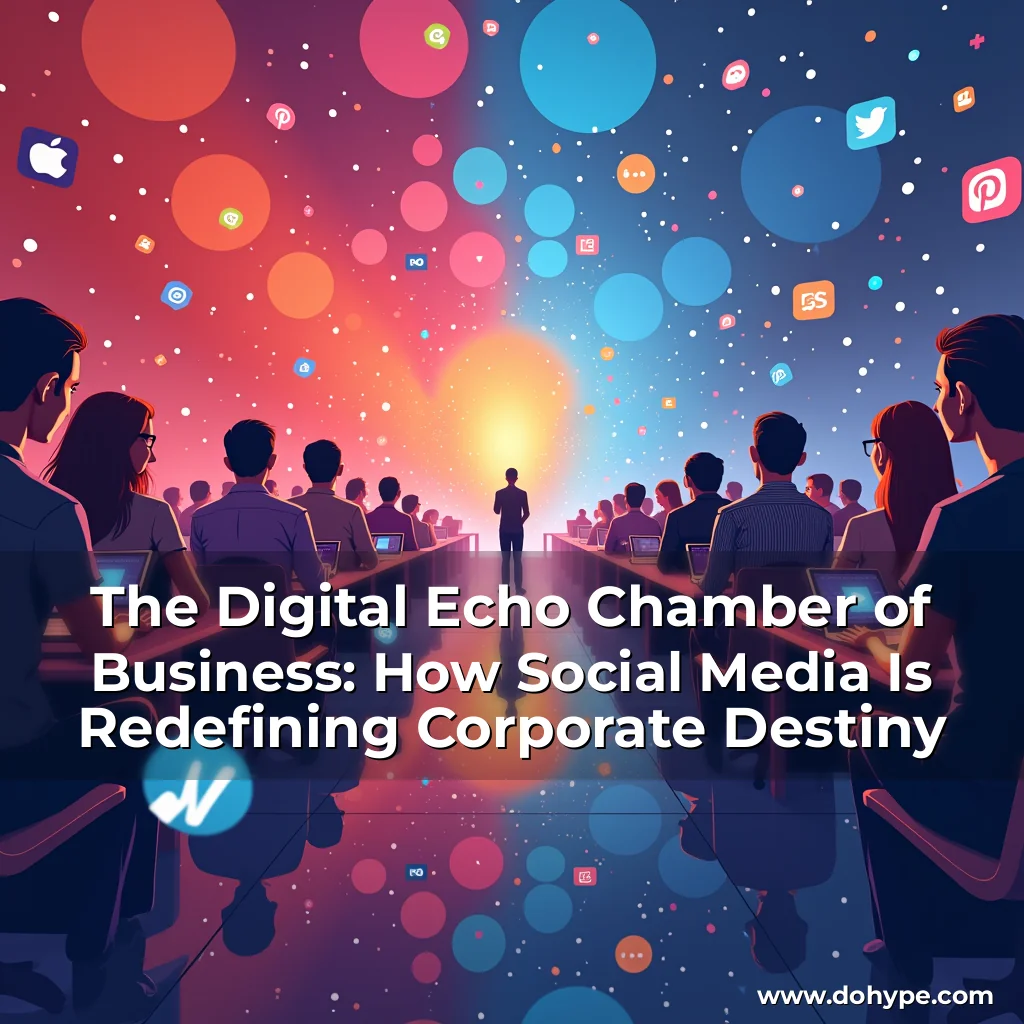
The digital landscape has undergone a significant shift in the way businesses interact with their audience. No longer is it just about the stock tickers and financial reports; now, social media platforms like X have become a battleground for brand reputation. This change has profound implications for modern business and politics.
From Boardrooms to Social Media
The recent public feud between Elon Musk and President Donald Trump has highlighted the significant influence of social media in shaping public discourse and business dynamics. The disagreement began when Musk criticized Trump’s “One Big Beautiful Bill,” a tax and spending proposal. Musk labeled the bill a “disgusting abomination,” citing concerns over its fiscal implications and cuts to programs like Medicaid and SNAP. The dispute escalated on their respective platforms, with Musk suggesting Trump’s name appeared in the unreleased Epstein files, further intensifying the conflict. The clash has had tangible repercussions, with Tesla’s stock experiencing a significant drop, erasing over $150 billion in market value, while Trump Media saw a decline of approximately $500 million.
The Importance of Strategic Communication
For business leaders, this episode serves as a reminder of the critical importance of strategic communication and the potential ramifications of public disputes, especially when amplified by powerful digital platforms. It highlights the delicate balance between corporate interests, political affiliations, and public perception in today’s interconnected landscape. In this new era, the modern CEO must wear multiple hats: strategist, culture architect, and now, digital myth-buster. The velocity of misinformation isn’t just a nuisance; it’s a reputational risk that, if left unaddressed, can unravel trust in a brand built over decades.
Trust: The Most Valuable Currency in Business
According to the Edelman Trust Barometer, business remains the most trusted institution globally, outranking media, government, and NGOs. However, this trust is not guaranteed and is rented, not owned. The rent is due every day, and leaders must recognize this.
Defining Success
PepsiCo saw a 4% dip in stock value following a viral fake tweet alleging political controversy, while an entire banking institution suffered a bank run spurred by baseless posts about insolvency. The damage? Billions—erased in hours. These challenges present a powerful opportunity for leaders to rise above the noise. In a world where narratives can be hijacked in minutes, brands that lead with integrity and intentionality become bulletproof.
The Broader Leadership Lesson
This is not a health industry problem alone. In 2021, a viral fake tweet alleged political controversy at PepsiCo, causing a 4% drop in stock value. Similarly, in 2023, a banking institution suffered a bank run due to baseless posts about insolvency, resulting in billions of dollars in damage. These instances demonstrate the potential consequences of a brand’s reputation being damaged by misinformation. However, they also present a chance for leaders to demonstrate their commitment to integrity and truth.
Leading with Evidence
Leadership in today’s enterprise organization means taking a public stance on truth. It requires the humility to admit what we know, the courage to say what we don’t, and the clarity to guide teams and customers through the ambiguity. In other words, real leadership doesn’t seek perfection—it seeks precision. It builds cultures where truth isn’t filtered for optics, and where decisions are made with both courage and data.
Authenticity is a Survival Strategy
Authenticity isn’t a marketing gimmick anymore; it’s a survival strategy. Leaders must remember that not accepting or willfully fighting a result won’t change it. More importantly, it doesn’t put you in a strong position to make changes to prevent future failures.
A New Blueprint for Holistic Leadership
So what does this mean for leaders building brands in 2025 and beyond? It means remembering that reputation is no longer the result of well-managed press releases—it’s the product of how you show up in real time. It means equipping your team with not just KPIs and enterprise software dashboards but also ethical clarity and narrative fluency. It means defining success not just by shareholder return but by stakeholder resilience—how your customers, employees, and communities respond when your brand is tested.
The Value of Integrity
At a time when fact-checking is being deprioritized, and attention spans are shorter than ever, leaders who ground their brands in evidence and ethics will win—not just market share, but enduring trust. These are just a few examples, but the larger truth every leader must embrace is that in the age of algorithm-driven influence, clarity is king. And those who lead with it will not only survive the noise but shape what comes next.
A Final Thought
Leadership today demands more than vision. It demands vigilance. The kind of vigilance that steps into the comment section when needed. That isn’t afraid to challenge a viral lie with a quieter but more powerful truth. These are the qualities that will help leaders build brands worth believing in. By embracing the importance of integrity, authenticity, and clarity, leaders can create a culture of trust and resilience that will endure in the face of misinformation and digital noise.