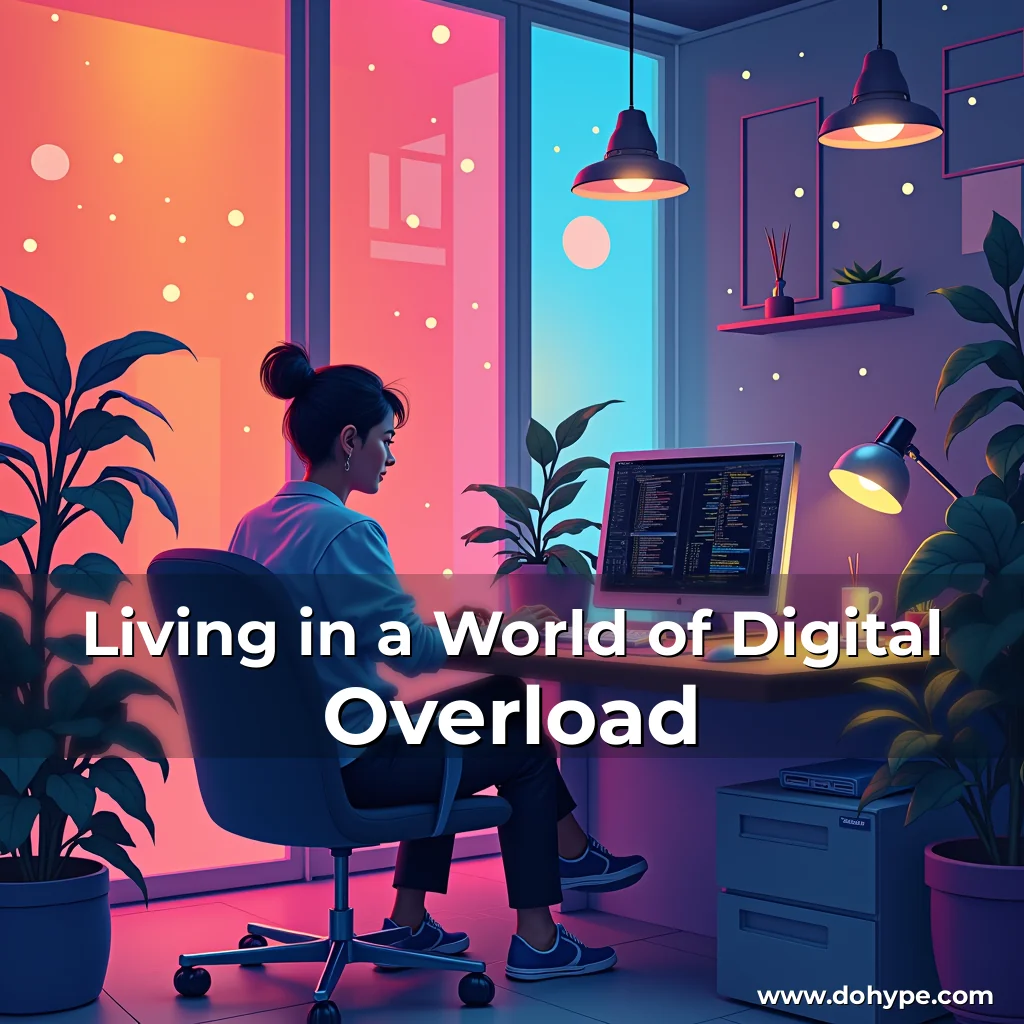
Our phones, tablets, and laptops have become permanent fixtures in our daily lives. Whether it’s scrolling through social media, binge-watching our favourite shows, or hopping between apps, screen time has become both a necessity and a habit.
- But as we continue to spend more and more time in front of screens, scientists and psychologists are raising red flags: Is this digital obsession slowly changing the way our brains work?
- “Brain rot” is the term being used to describe a slow, often unnoticed decline in our ability to focus, remember things, and think critically.
Our addiction to quick entertainment—short videos, sensational news clips, memes, and non-stop social media notifications—is quietly eroding our mental health, attention span, and ability to think deeply.
- At a glance, watching a few funny reels or staying updated with trending topics seems harmless.
- But over time, constantly switching from one flashy piece of content to another trains our brains to expect instant gratification.
- We become less capable of sitting through a long article, holding a thoughtful conversation, or focusing on a complex task.
The term “brain rot” refers to a slow, often unnoticed decline in our ability to focus, remember things, and think critically.
| Key characteristics of brain rot: |
|
Technology companies are well aware of how human psychology works. Platforms like Instagram, TikTok, Facebook, WhatsApp, and YouTube are designed not just to entertain, but to keep users hooked.
“Every scroll, like, or share teaches the algorithm more about our behaviour, and in return, it delivers content that’s increasingly tailored to our preferences.”
While that may sound like a good thing, it means we are constantly being served more of what stimulates us—whether it’s funny, emotional, shocking, or even harmful.
| How the attention economy affects us: |
|
The mental toll of digital overload is becoming clearer every day. Many people report feeling mentally exhausted after spending hours online, especially on social media.
- Tasks that once seemed simple—like reading a book, writing a report, or following a class lecture—now feel difficult.
- Psychologists suggest this is because our brains are being rewired to favour short bursts of excitement over sustained effort.
- Memory also takes a hit. When the brain is constantly distracted, it struggles to store and recall information.
Even worse, regular exposure to negative or sensational news—so common on social media—can increase feelings of anxiety, stress, and helplessness, affecting our emotional balance over time.
The social consequences are equally concerning. Social media, originally created to connect people, is ironically contributing to growing feelings of isolation.
- Social media is turning into a highlight reel of others’ lives—edited and filtered to appear perfect.
- This often leads to unhealthy comparisons and unrealistic expectations.
- Seeing others’ seemingly flawless experiences can make people feel inadequate, even if they’re doing fine in reality.
Children, in particular, are vulnerable to the hidden dangers of digital addiction. Today’s toddlers and schoolchildren are growing up with screens as babysitters, teachers, and entertainers.
| Effects of digital addiction on children: |
|
So, what can we do about it?