The Rise of SkinnyTok
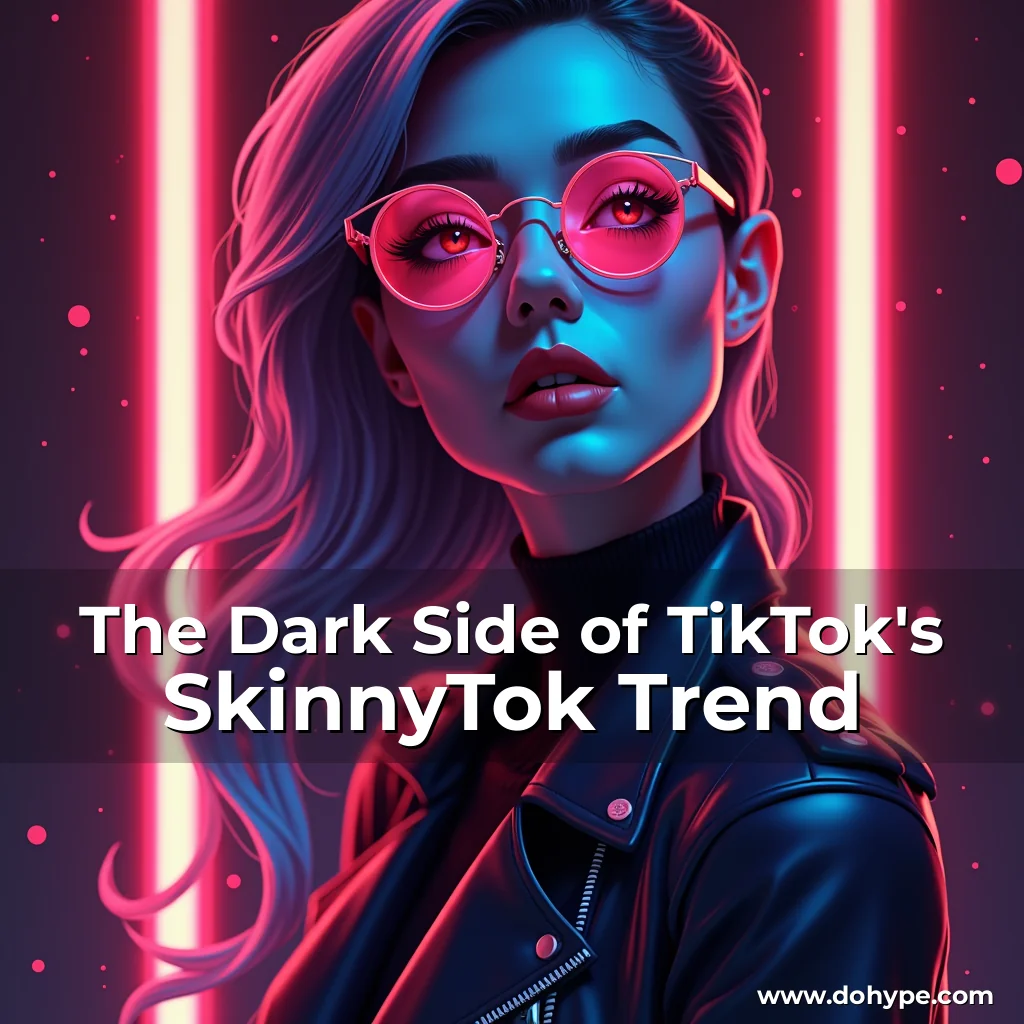
SkinnyTok has taken the internet by storm, with its unique blend of diet culture, extreme calorie deficits, and the pursuit of a shrinking body. Behind the trendy filters and catchy sounds lies a community that idolizes thinness, glamorizes disordered eating, and celebrates the idea of losing weight at any cost.
- Creators openly document their weight loss journeys
- Post “what I eat in a day” videos featuring alarmingly low calorie counts
- Share ‘body checks’ (videos where people weigh and measure themselves)
The Algorithm’s Role
TikTok has attempted to clamp down on this content, but the algorithm still seems to serve up the very material it claims to protect users from. Searching for “SkinnyTok” now triggers a warning: “You’re not alone” and prompts people to seek help if they’re struggling with body image, food, or exercise.
The Personal Toll
Jemma Haythorne, a confidence coach, speaker, and podcaster, knows firsthand the damage that online diet culture can do. She started hating her body at 12 years old and spiralled into disordered eating when she was 16. Her friends and she would follow skinny content on Tumblr, using it as “motivation” to eat less and achieve their goal of being thin. “I started hating my body when I was 12 years old, but really spiralled into disordered eating when I was 16. My friends and I would follow skinny content on Tumblr, using it as ‘motivation’ to eat less to achieve our goals of being thin,” she tells news.com.au
Haythorne’s lowest point came between 2017 and 2019. “Social media told me that everyone was thin, gorgeous, tanned, hairless, toned, and successful, because that’s what the algorithm was serving me, and those were the people who were platformed,” she says. “The message that I received was that I was failing, because no matter how hard I tried, I couldn’t meet those standards.”
The Cyclical Nature of Online Trends
Haythorne believes that without social media, she would never have developed an eating disorder, depression, and anxiety to the extent she did. She has witnessed body ideals shift over the years, from ultra-thin to athletic and toned, to the “Kim Kardashian” hourglass, and now back to just “plain thin.”
Despite the rise of the body positivity movement, she’s sceptical about its real-world impact: “The body ideal has always come back to being in a smaller body — something that I desperately hope we can change in the future.”
The Influencer Effect
Influencers and content creators play a massive role in shaping body image perceptions, Haythorne argues. “Those who post content that encourages unhealthy relationships with food and bodies are directly damaging their audience. SkinnyTok content is incredibly problematic and harmful, and when this becomes trendy, it becomes dangerous, especially for those who don’t have the knowledge and understanding of how damaging it is.”
But the damage isn’t always obvious. Seemingly innocuous “before and after” photos reinforce the idea that smaller is better, while meal inspiration videos suggest that copying someone’s diet will yield the same body. “Any form of editing of bodies or faces makes people think they need to live up to looking like that in order to be beautiful or worthy, yet the person themselves doesn’t even look like that,” she notes.
The Psychological Impact
Psychologist Carly Dober confirms that SkinnyTok can trigger and exacerbate disordered eating behaviors and eating disorders. “These trends influence how people perceive and evaluate their own bodies, and the bodies of others. Behaviorally, people may self-isolate, which can also impact their work, education, and relationships,” she explains. Beyond the psychological impact, the physical consequences are dire too. Eating disorders can harm the heart, digestive system, bones, teeth, and mouth. Typical serious side effects include low blood pressure, slow or irregular heartbeats, feeling tired, weak, dizzy, or faint, constipation and bloating, irregular periods, and weak bones.
Who’s Most at Risk?
According to Dober, certain groups are especially vulnerable to the dangers of SkinnyTok. These include:
- Adolescents (especially those aged 12–25) with a median age of 18
- Women during key transition periods (e.g. finishing school)
- Women with Polycystic Ovary Syndrome or diabetes
- Athletes and those in appearance-focused activities like dancing
- People with a family history of eating disorders
- Anyone seeking help for weight loss or who has engaged in dieting or disordered eating
The Role of TikTok’s Culture
Qualified nutritionist Yaz Jackson sees SkinnyTok as part of a broader trend of “normalizing” harmful behaviors on TikTok. “You can ‘get away’ with more. It’s more of a diary, people feel like they can say whatever, and it’s lighthearted, and nobody judges. I’ve seen creators say things like ‘I could never share this on Insta, they’d judge me, but I can tell you guys,’”
Jackson believes there’s a trend of radical honesty emerging on TikTok, where creators are praised for sharing “the tea” – the secrets behind their appearance, whether it’s the use of medication, diets, or cosmetic surgery. Their content is being favored, as people applaud them for being “real” and “not fake” – i.e., unlike the countless models and celebrities who pretend they eat pizza and burgers when the reality is much different. “This trend then gains traction because when enough people make something okay to talk about again, they feel safer,” she said. “Things that were once stigmatized are now being accepted – but only if you are super honest and transparent about it. People love that.”
The Dangers of Unqualified Advice
Dr. Zac, a GP, urges people to exercise caution when seeking health advice online, especially when it comes from unqualified creators. “Health advice should come from qualified professionals – doctors, registered dietitians, clinical psychologists – people with actual credentials, not just abs and a ring light. If someone’s offering drastic weight loss ‘hacks’ or pushing extreme transformations, especially if they’re profiting from it, be wary,” he says. Things to look out for include: “Are they citing evidence-based sources? Do they promote balance over extremes? Are they championing sustainable health, or quick fixes and aesthetic perfection?”
How to Safeguard Your Mental Health
Dober and Zac recommend several strategies for protecting yourself online:
- Curate your feed: Block or mute content and creators that promote unhealthy behaviors
- Use platform tools: Filter out triggering keywords where possible
- Limit screen time: Reduce endless scrolling to avoid algorithm rabbit holes
- Follow positive accounts: Such as ones that promote body neutrality, mental health, and self-compassion
- Seek support: If you’re struggling, reach out to a psychologist or trusted professional
And as Zac puts it: “Healing starts when we stop punishing ourselves and start listening to what our body and mind actually need.”
The Way Forward
As we move forward, it’s essential to acknowledge the harm that SkinnyTok has caused and to take steps to prevent it from happening again. By being aware of the potential risks and taking proactive measures to protect ourselves, we can create a safer and more supportive online community. Ultimately, it’s up to each individual to take control of their own mental health and well-being, and to prioritize their own needs and values over the pressures of social media. By doing so, we can create a more positive and inclusive online environment for everyone.